

Leather Industry Worldwide: Key Statistics and Insights for Genuine Leather Products

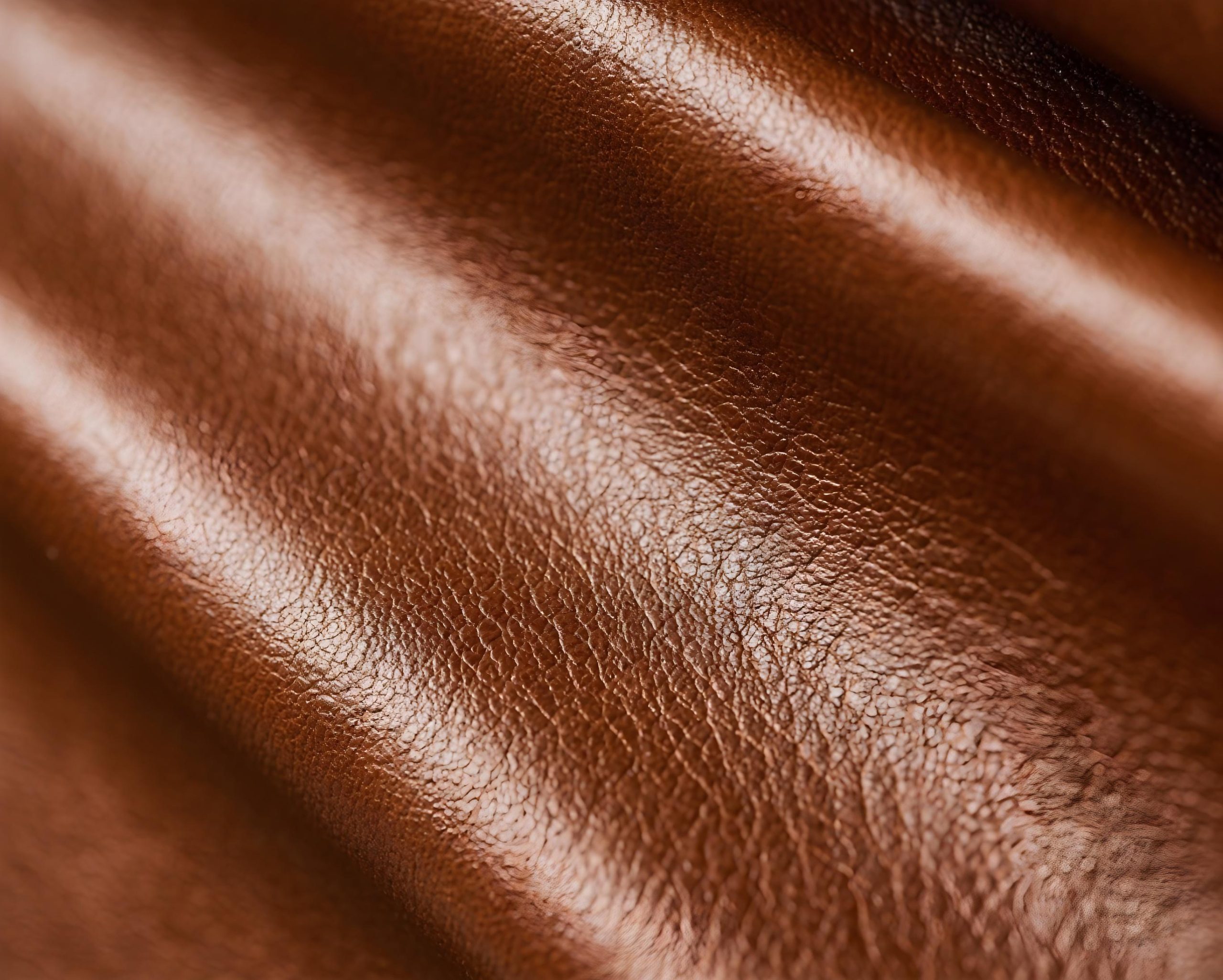
Genuine leather has been one of the most valuable natural materials for centuries. From leather shoes and leather bags to leather furniture and premium accessories, it combines durability, elegance, and timeless appeal. Behind every leather product, however, lies a global industry with impressive numbers and facts.
Global Livestock and Leather Production
- There are over 1.1 billion cattle worldwide, making them the main source of genuine leather.
- Each year, the industry processes around 270 million cattle hides.
- Roughly 70% of these hides go through the tanning process to become usable leather.
- Other significant sources of hides include sheep, goats, and pigs.
👉 Important fact: All leather used in the industry comes as a by-product of the meat and dairy sector. Animals are never raised or slaughtered for their hides alone. Leather is created from material that would otherwise go to waste, making it a natural and sustainable resource when compared to synthetics.
The Global Leather Goods Market
The leather goods market is one of the most dynamic sectors of the global economy:
- In 2022, it was valued at around USD 243 billion.
- By 2030, it is expected to reach USD 405 billion, growing at a CAGR of about 6.6%.
- Another estimate shows that in 2024 the market hit USD 498 billion and could exceed USD 855 billion by 2032.
This steady growth reflects the strong global demand for genuine leather products.
Main Uses of Leather Worldwide
Leather is consumed across several industries, with some dominating the market share:
- Leather footwear accounts for about 40% of global demand, making it the leading category.
- Leather bags and accessories are rapidly growing, especially in luxury and premium segments.
- Leather furniture and home décor remain popular in the high-end market.
- The automotive industry uses large volumes of leather for car seats, interiors, and trims.
Trends and Challenges in Leather
- Genuine leather continues to stand out for its quality and longevity, but it faces competition from synthetic and so-called “vegan” leathers.
- A key challenge is wasted hides: in some countries, millions of hides are discarded before even being processed, contributing to environmental concerns.
- Sustainability, ethical sourcing, and transparency are increasingly important to consumers choosing leather goods.
Conclusion
The leather industry remains a cornerstone of global trade. Every year, hundreds of millions of hides are transformed into leather shoes, leather bags, leather furniture, and countless other products we use daily. By using hides that are by-products of the meat industry, genuine leather is not just a symbol of tradition and quality—it is also a smart way of turning waste into valuable, long-lasting products.